Choosing the Right SPF for Your Skin Type: The Complete Guide to Sun Protection
Your definitive, skin-smart guide to sunscreen that actually works for you
Introduction: Are You Using the Wrong SPF?
Roughly one in five Americans will develop skin cancer by the age of 70 — and the primary culprit is unprotected sun exposure. Sunscreen is the single most evidence-backed anti-aging, anti-cancer skincare step available, yet most people either skip it or use the wrong type for their skin. Choosing the right SPF for your skin type is not simply a matter of picking the highest number on the shelf. The wrong formula can clog your pores, irritate sensitive skin, leave a chalky white residue, or simply feel too greasy to wear consistently. In this comprehensive guide, you will discover exactly how to match your sunscreen to your unique complexion, lifestyle, and skin concerns — so you actually wear it every single day.
What Does SPF Actually Mean? (And Why It Matters for Every Skin Type)
Before diving into choosing the right SPF for your skin type, it is essential to understand what the term actually means. SPF stands for Sun Protection Factor. It measures how well a sunscreen shields your skin from UVB rays — the rays primarily responsible for sunburn and a key contributor to skin cancer. The number indicates how much longer you can stay in the sun compared to wearing no sunscreen.
UVA vs. UVB: What Is the Difference?
Many people confuse the two types of ultraviolet radiation that affect skin health. Understanding the distinction is critical when choosing the right SPF for your skin type.
• UVB rays burn the surface layers of the skin, directly causing sunburn and playing a key role in skin cancer development.
• UVA rays penetrate deeper into the dermis, causing premature aging, fine lines, hyperpigmentation, and are also linked to skin cancer.
• Broad-spectrum sunscreens protect against both UVA and UVB radiation. Always look for the words 'broad spectrum' on the label regardless of your skin type.
How Much Does SPF Level Really Matter?
The relationship between SPF numbers and actual protection is not linear, which surprises most people. Here is a breakdown of how much UVB radiation each SPF level blocks:
SPF Level | UVB Blocked | Best Use Case |
SPF 15 | 93% | Minimal daily exposure |
SPF 30 | 97% | Daily outdoor activity |
SPF 50 | 98% | Extended sun exposure |
SPF 50+ | 98%+ | High-altitude / beach / post-procedure |
Notice that the difference between SPF 30 and SPF 50 is only about 1% in UVB blockage. However, that 1% matters significantly for people with sensitive skin, hyperpigmentation, post-procedure skin, or a history of skin cancer. For most everyday purposes, a broad-spectrum SPF 30 is the minimum recommended by dermatologists.
Pro Tip: No sunscreen blocks 100% of UV radiation. Even SPF 100 allows some UV penetration. Reapplication every two hours is non-negotiable for consistent protection.
Mineral vs. Chemical Sunscreens: Which Is Right for Your Skin Type?
One of the most important decisions in choosing the right SPF for your skin type is whether to use a mineral sunscreen, a chemical sunscreen, or a hybrid of both. Each has distinct advantages depending on your skin's unique needs.
Feature | Mineral SPF | Chemical SPF |
Active Ingredients | Zinc oxide, titanium dioxide | Avobenzone, oxybenzone, octinoxate |
How It Works | Sits on skin; physically deflects UV rays | Absorbs into skin; converts UV to heat |
Best For | Sensitive, rosacea, acne-prone, children | Normal, oily, active lifestyles |
Texture | Can leave white cast; newer formulas are sheer | Light, invisible finish |
Skin Irritation Risk | Very low | Moderate (some ingredients are sensitizing) |
Reapplication | Every 2 hours or after sweating/swimming | Every 2 hours or after sweating/swimming |
When to Choose Mineral SPF
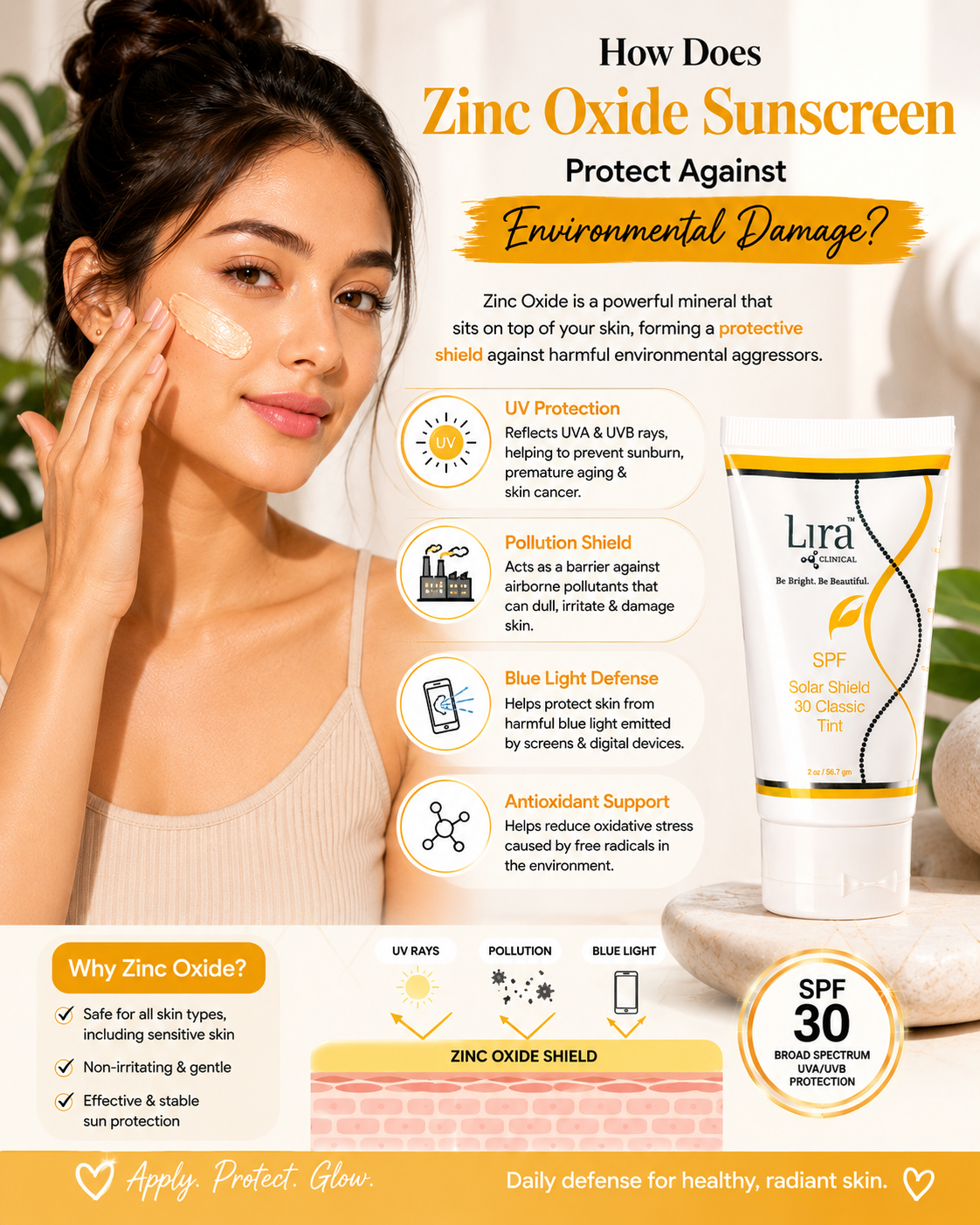
Mineral sunscreens, also called physical sunscreens, use zinc oxide or titanium dioxide to deflect UV rays off the skin's surface. Because they do not penetrate the skin, they are an excellent choice for people with sensitive skin, rosacea, or skin conditions that require careful treatment. They are also ideal for those who have recently undergone procedures such as chemical peels or microdermabrasion or microneedling, as the skin is in recovery and needs gentle, non-irritating protection.
When to Choose Chemical SPF
Chemical sunscreens are absorbed into the skin and work by converting UV radiation into heat, which is then released. These formulas tend to be lighter, more cosmetically elegant, and less likely to leave a white cast — making them popular for people with oily or combination skin who want a seamless, invisible finish under makeup.
Hybrid Formulas: The Best of Both Worlds
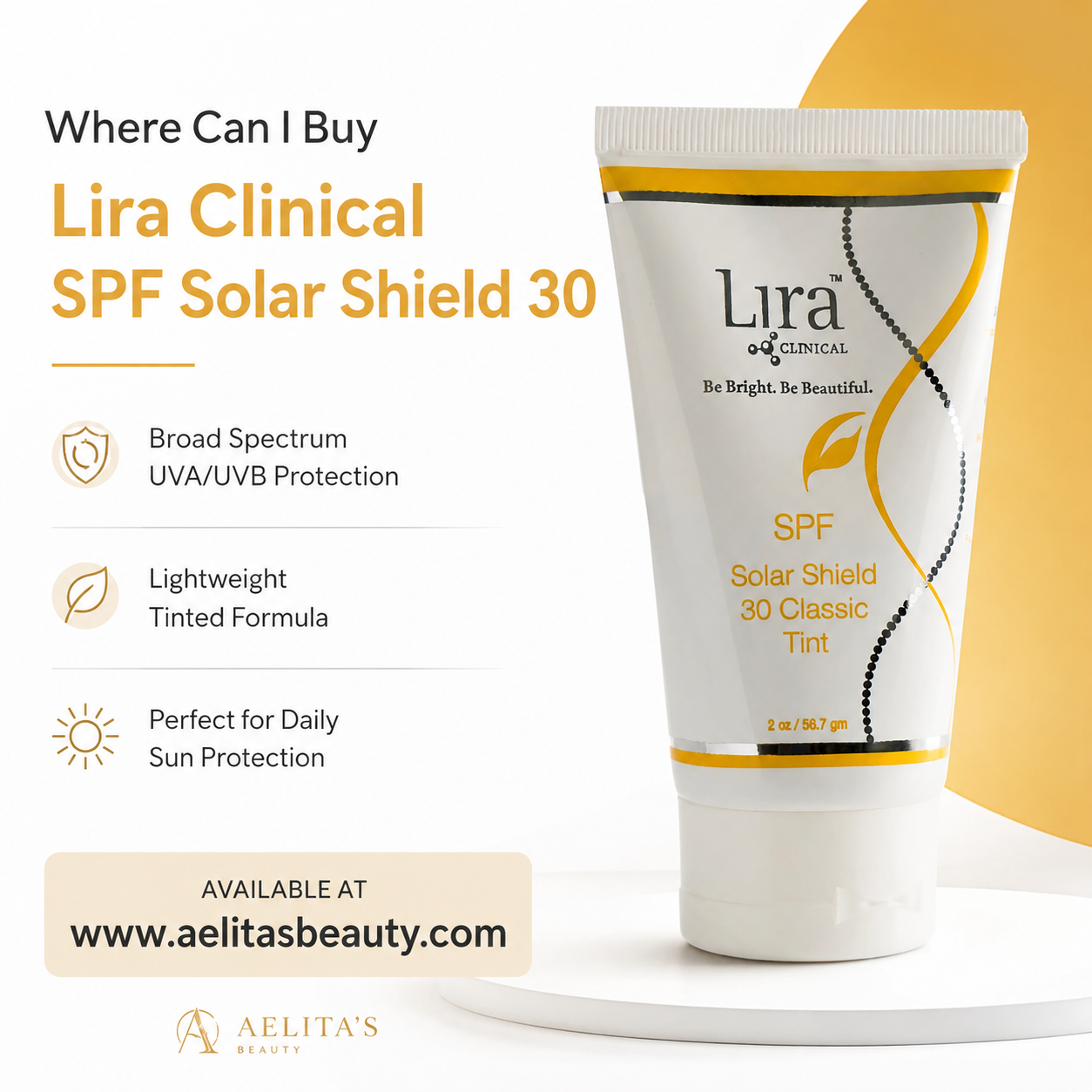
Many modern sunscreens combine mineral and chemical filters to balance efficacy, skin feel, and broad-spectrum coverage. These hybrid formulations are increasingly popular for everyday use across all skin types. Tinted hybrid SPFs are especially beneficial for people with hyperpigmentation or uneven skin tone, as the iron oxides in tinted formulas also provide protection against visible light.
Choosing the Right SPF for Your Skin Type: A Complete Breakdown
Now we get to the heart of the matter. Different skin types have fundamentally different needs when it comes to sun protection. The chart below summarizes the key recommendations, and the sections that follow explain the reasoning in full detail.
Skin Type | Min. SPF | Recommended Formula | Key Concern |
Normal | SPF 30 | Lightweight lotion or fluid | Daily maintenance |
Oily / Acne-Prone | SPF 30–50 | Gel-based, oil-free, matte finish | Clogged pores, shine |
Dry | SPF 30–50 | Cream or serum with hyaluronic acid | Moisture loss, flaking |
Combination | SPF 30–50 | Fluid or water-based, non-greasy | Balancing T-zone vs. dry areas |
Sensitive | SPF 30–50+ | Mineral (zinc oxide), fragrance-free | Redness, irritation |
Mature / Aging | SPF 50+ | Cream with antioxidants (Vitamin C, E) | UV-induced aging, fine lines |
Hyperpigmented / Dark | SPF 50+ | Tinted mineral or hybrid SPF | Uneven tone, dark spots |
1. Choosing the Right SPF for Normal Skin
If you have normal skin — balanced moisture, few blemishes, minimal sensitivity — you have the most flexibility when choosing an SPF formula. A broad-spectrum SPF 30 to 50 in a lightweight lotion or fluid form is generally ideal. Look for formulas that contain additional skin-nourishing ingredients such as niacinamide, hyaluronic acid, or antioxidants. You can pair your SPF with a vitamin C serum for added brightening and antioxidant protection.
Explore how Vitamin C serum benefits complement your daily SPF by neutralizing free radical damage triggered by UV exposure.
2. Choosing the Right SPF for Oily and Acne-Prone Skin
For oily or acne-prone skin, choosing the right SPF for your skin type means selecting a formula that will not trigger breakouts or add to excess shine. Look for these specific features:
• Oil-free or non-comedogenic label
• Gel-based, water-based, or fluid texture
• Matte finish to control shine throughout the day
• Chemical or hybrid formula for a lighter feel
• Added ingredients like niacinamide to regulate oil production
Many people with oily or acne-prone skin avoid sunscreen because it makes them break out — but this is usually a formulation issue, not a sunscreen issue. If hormonal acne or persistent breakouts are a concern, consult a professional to find a regimen that includes proper sun protection.
Avoid heavy cream SPFs on oily skin. Gel, fluid, and serum formats are far less likely to clog pores or leave a greasy residue.
3. Choosing the Right SPF for Dry Skin
Dry skin benefits enormously from sunscreens that double as moisturizers. When choosing the right SPF for dry skin, prioritize formulas that contain humectants and emollients such as hyaluronic acid, glycerin, ceramides, squalane, or shea butter. A cream or serum-based SPF 30 to 50 applied as the last step of your morning skincare routine can both hydrate and protect simultaneously.
Look out for alcohol-heavy formulas, which can strip moisture from already dehydrated skin. Mineral formulas with creamy bases are often an excellent match for dry skin.
4. Choosing the Right SPF for Combination Skin
Combination skin — oily in the T-zone, potentially dry on the cheeks and around the eyes — requires a balanced approach. A water-based or fluid broad-spectrum SPF 30 to 50 that hydrates without adding oil tends to be the sweet spot. Some people with combination skin choose to layer products: a very light gel SPF on the oily zones and a slightly richer formula on dry patches.
If you are building a complete regimen suited to your environment, see this guide on creating a skin care routine for the Los Angeles climate, which offers practical layering strategies for combination skin in high-UV environments.
5. Choosing the Right SPF for Sensitive Skin
Sensitive skin is the skin type where choosing the right SPF formula is arguably the most critical. Chemical UV filters such as oxybenzone, avobenzone, and octinoxate can cause stinging, redness, or allergic reactions in sensitive skin. The safest approach is a fragrance-free, dye-free, mineral broad-spectrum SPF 30 to 50+ using only zinc oxide and/or titanium dioxide.
People with rosacea, eczema, perioral dermatitis, or post-treatment skin fall into the sensitive category. These individuals need sunscreen that sits on the skin's surface rather than penetrating it, minimizing the risk of irritation.
If you have been treating rosacea safely, your esthetician or dermatologist will almost certainly recommend a mineral SPF as part of your daily protocol.
6. Choosing the Right SPF for Mature and Aging Skin
As skin matures, it becomes thinner, more prone to UV-induced damage, and more likely to develop fine lines, age spots, and loss of elasticity. For aging skin, SPF 50 or higher is recommended, paired with antioxidant-rich ingredients that work synergistically with sun protection. Vitamin C, niacinamide, and peptides in an SPF formula can provide both protection and active repair throughout the day.
Cream and serum-based SPF formats work best for mature skin, as they layer seamlessly with anti-aging treatments and do not settle into fine lines the way some powdery or matte-finish SPFs can.
7. Choosing the Right SPF for Hyperpigmented or Darker Skin Tones
A persistent myth in skincare is that darker skin tones do not need sunscreen. This is completely false. While melanin does provide some natural UV protection, it does not eliminate the risk of skin cancer or UV-induced hyperpigmentation. In fact, UV exposure is one of the most common triggers for post-inflammatory hyperpigmentation (PIH) — a major concern for deeper skin tones.
• Always use broad-spectrum SPF 50 or higher if you are dealing with dark spots or uneven tone
• Tinted mineral SPFs are ideal, as iron oxides protect against visible light that also triggers melanin production
• Avoid sunscreens with a significant white cast, which can appear ashy on deeper complexions — look for 'invisible zinc' or nano-zinc formulas
To address existing pigmentation alongside consistent SPF use, explore strategies for reducing hyperpigmentation naturally and consider active ingredients like mandelic acid vs. glycolic acid, both of which exfoliate and brighten while remaining compatible with daily sunscreen use.
How to Apply Sunscreen Correctly: It Is Not Just About Choosing the Right SPF for Your Skin Type
Even the most perfectly matched SPF for your skin type will fail if it is applied incorrectly. Here are the most common application mistakes and how to fix them:
Common Sunscreen Application Mistakes
1. Using too little: Most people apply only 25 to 50% of the recommended amount. For the face, use approximately a nickel-sized dollop or the equivalent of a half-teaspoon (about 1/4 tsp for face alone).
2. Not reapplying: SPF breaks down with sun exposure, sweat, and sebum. Reapply every 2 hours outdoors, and immediately after swimming or toweling off.
3. Applying too late: Chemical sunscreens need 15 to 20 minutes to bind to the skin before they are effective. Mineral SPFs work immediately, but applying just before stepping outside still reduces effectiveness.
4. Skipping the neck, ears, and hands: These areas receive significant sun exposure and are among the most common sites for UV-induced skin aging and skin cancer.
5. Relying on SPF in foundation or makeup: The thin layer of makeup applied in real life is far below the amount needed to achieve the labeled SPF. Always use a dedicated sunscreen underneath.
Where SPF Fits in Your Skincare Routine
Sunscreen is the final step of your morning skincare routine, applied after serums and moisturizer but before any makeup. It should never be mixed with other products, as this dilutes the UV filters and reduces protection.
If you have invested in professional treatments, proper SPF use afterward is essential to preserve results. Learn about how to maintain facial results and what to expect after your first facial to understand how sun protection integrates into post-treatment care.
The Role of Professional Skin Treatments in Sun-Damaged Skin
Even with consistent SPF use, cumulative sun damage from years of inadequate protection can leave the skin with uneven texture, hyperpigmentation, fine lines, and enlarged pores. The good news is that a range of professional skincare treatments can significantly improve the appearance of sun-damaged skin when combined with a rigorous daily SPF regimen.
Treatments That Pair Well With Consistent SPF Use
Treatments such as microcurrent facials, LED light therapy, and radiofrequency facials address the structural damage caused by UV radiation — stimulating collagen, improving elasticity, and evening skin tone. These modalities are most effective when the patient also maintains a strict daily SPF habit, as continued UV exposure will counteract the cellular repair these treatments promote.
For deeper resurfacing, chemical peels and microdermabrasion and microneedling are powerful options — but they also increase photosensitivity during recovery, making choosing the right SPF for your skin type even more critical during the healing phase.
If you are considering professional guidance on treatments appropriate for your skin, you may find value in understanding the difference between an esthetician vs. a dermatologist and determining how often you should get a facial to complement your home SPF routine.
Advanced Treatments for Ongoing UV Repair
Newer modalities such as ThermalClear treatment target superficial UV-related skin irregularities, while innovative ingredients like meristem extract and saffron for skin are being integrated into advanced serums to support UV-damaged skin at a cellular level. When choosing the right facial treatment in Los Angeles, always inform your esthetician about your SPF habits and sun exposure history so they can tailor treatments accordingly.
Sunscreen and Specific Skin Conditions
Sunscreen for Acne-Prone and Back Acne Skin
Both facial and body acne require non-comedogenic sunscreen formulas. For the body, especially if you deal with back acne, use a spray or gel SPF that applies without friction and does not leave pore-clogging residue. Always shower after extended outdoor activities and reapply SPF to all exposed body areas, not just the face.
Sunscreen After Exfoliating Treatments
After using exfoliating acids such as those described in our comparison of mandelic acid vs. glycolic acid, your skin's stratum corneum is temporarily thinner and significantly more vulnerable to UV radiation. During the days following acid exfoliation, upgrade to SPF 50+ and avoid peak sun hours (10am to 4pm). The same applies after any professional resurfacing procedure.
Sunscreen for Post-Procedure Skin
Following procedures such as chemical peels, microneedling, or radiofrequency treatments, a mineral SPF is strongly preferred to minimize irritation risk. You may also be advised to avoid full makeup for a period, so understanding whether you can wear makeup after a facial is important for your post-care planning.
How to Read a Sunscreen Label: Key Ingredients to Look for Based on Your Skin Type
Choosing the right SPF for your skin type becomes much easier when you know which ingredients to seek out and which to avoid. Here is a quick-reference ingredient guide:
Ingredients to Seek for Each Skin Concern
• Oily / Acne-Prone: Niacinamide, silica, zinc oxide (anti-inflammatory and mattifying)
• Dry: Hyaluronic acid, glycerin, ceramides, squalane, shea butter
• Sensitive / Rosacea: Zinc oxide only, aloe vera, centella asiatica, no fragrance or dyes
• Aging: Vitamin C, vitamin E, niacinamide, peptides, coenzyme Q10
• Hyperpigmentation: Tinted mineral SPF with iron oxides, niacinamide, tranexamic acid
• Post-Procedure: Titanium dioxide or zinc oxide only, centella asiatica, panthenol
Ingredients to Avoid Based on Skin Type
• Oily / Acne-Prone: Coconut oil, lanolin, heavy silicones, isopropyl myristate
• Sensitive: Fragrance, alcohol (denat.), oxybenzone, avobenzone, PABA, dyes
• Dry: High-alcohol formulas, strong astringent ingredients
• Reactive / Allergy-Prone: Chemical UV filters (particularly oxybenzone and octinoxate)
Sunscreen Myths Debunked
Misinformation about sunscreen is widespread. Let us clear up the most persistent myths that prevent people from choosing the right SPF for their skin type and using it consistently.
Myth 1: 'I Don't Need SPF Because I Have Dark Skin'
False. All skin tones are susceptible to UV-induced damage, premature aging, and skin cancer. Melanin offers some natural protection equivalent to roughly SPF 13, but this is far from adequate for full-day exposure. People with darker complexions are also at higher risk for delayed skin cancer diagnosis because lesions can be harder to detect on darker skin.
Myth 2: 'SPF in My Makeup Is Enough'
False. The SPF protection provided by makeup relies on a specific, generous application amount that virtually no one applies in practice. Unless you are applying a very thick layer of foundation — far more than you would normally wear — the SPF in your makeup is providing minimal protection. A dedicated sunscreen layer underneath your makeup is essential.
Myth 3: 'I Only Need SPF on Sunny Days'
False. Up to 80% of UV radiation penetrates through clouds. UVA rays, which cause long-term aging and skin damage, are present year-round at consistent levels regardless of visible sunlight. Daily broad-spectrum SPF is a year-round, weather-independent habit.
Myth 4: 'Higher SPF Means I Can Stay Out Longer Without Reapplying'
False. No SPF level eliminates the need for reapplication. Sunscreen degrades with exposure to UV, sweat, and sebum. Reapplication every two hours is required regardless of SPF level, especially during extended outdoor activities.
Myth 5: 'Mineral SPF Always Leaves a White Cast'
False — or at least no longer universally true. Modern mineral sunscreen formulations using micronized or nano-zinc oxide have dramatically improved in recent years. Many new mineral formulas are entirely sheer and suitable for all skin tones. Tinted mineral SPFs can be particularly flattering on medium to deep complexions.
Building Your Complete Sun-Safe Skincare Routine
Choosing the right SPF for your skin type is most powerful when it is part of a complete, consistent daily routine. Here is a simple framework:
Morning Routine (Sun Protection Focus)
6. Cleanse: Start with a gentle, pH-balanced cleanser suited to your skin type
7. Tone / Essence: Optional hydration-boosting step
8. Vitamin C Serum: Applied before SPF to amplify antioxidant protection against UV-triggered free radicals
9. Moisturizer: Hydrate and seal in serums; skip if your SPF contains adequate moisturizing ingredients
10. Broad-Spectrum SPF 30–50+: Applied generously as the absolute final skincare step, before makeup
Evening Routine (Repair and Recover)
11. Double Cleanse: Remove SPF, makeup, and pollutants thoroughly
12. Exfoliate (2–3x weekly): Use AHAs or BHAs to address UV-induced texture and pigmentation
13. Treatment Serums: Retinol, peptides, niacinamide, or brightening actives
14. Night Moisturizer: Support the skin's overnight repair process
Never use retinol during the day. It increases UV sensitivity and should always be reserved for nighttime use, paired with diligent daily SPF.
When to See a Professional: Beyond Choosing the Right SPF for Your Skin Type
While choosing the right SPF for your skin type is something you can master at home, there are situations where professional guidance is invaluable.
• You are unsure of your skin type or have multiple overlapping concerns (oily but dehydrated, sensitive but acne-prone)
• You have existing UV damage — pigmentation, textural changes, or precancerous spots — that needs targeted professional treatment
• You are planning or recovering from a professional skin treatment that requires specific SPF protocols
• Standard sunscreens consistently break you out or irritate your skin despite trying different formulas
For those seeking expert guidance in a high-UV environment, consulting with a licensed esthetician or dermatologist is the most reliable path to a fully personalized sun care regimen. Explore the best facial for your skin type to understand what professional treatments can do when combined with rigorous daily sun protection.
The American Academy of Dermatology (AAD) provides extensive evidence-based guidelines on sunscreen use that are worth reviewing alongside your skincare professional's recommendations.
For the most current, peer-reviewed research on sunscreen efficacy and safety, the American Academy of Dermatology sunscreen guidelines offer authoritative, up-to-date information that supplements any professional recommendation you receive.
For a deeper scientific understanding of how UV radiation causes skin aging and cancer at the cellular level, the Skin Cancer Foundation's UV radiation resource is one of the most comprehensive public resources available.
Conclusion: Choosing the Right SPF for Your Skin Type Is the Most Important Skincare Decision You Will Make
No serum, no facial, no treatment — however sophisticated — can fully compensate for daily UV damage left unaddressed. Choosing the right SPF for your skin type is not merely a cosmetic preference. It is a medical necessity that determines the long-term health, appearance, and resilience of your skin.
The formula is simple: identify your skin type, match your sunscreen to its specific needs, apply it generously and consistently, reapply throughout the day, and combine it with professional care when needed. Whether you have oily acne-prone skin demanding an oil-free matte gel, sensitive rosacea-prone skin requiring a pure zinc oxide formula, or aging skin benefiting from a Vitamin C-enriched SPF 50+, the right sunscreen exists for you.
Start today. Your future skin will be profoundly grateful.
Quick Reference: Choosing the Right SPF for Your Skin Type at a Glance
• Normal skin: SPF 30–50, lightweight lotion or fluid, broad-spectrum
• Oily / Acne-prone: SPF 30–50, gel or oil-free fluid, non-comedogenic, matte finish
• Dry skin: SPF 30–50, cream or serum with hyaluronic acid or ceramides
• Combination: SPF 30–50, water-based or fluid, non-greasy
• Sensitive / Rosacea: SPF 30–50+, mineral only (zinc oxide), fragrance-free
• Mature / Aging: SPF 50+, antioxidant-enriched cream or serum
• Hyperpigmented / Darker tones: SPF 50+, tinted mineral with iron oxides
• Post-procedure: SPF 50+, mineral, no chemical filters, no fragrance